Quick Answer
The average size of a perfume bottle ranges from 30 ml to 100 ml, with 50 ml being the most common retail standard. Glass perfume bottles dominate the market, available in sizes from miniature 5 ml travel vials to luxury 200 ml or larger collector editions. The volume you choose affects price, portability, longevity, and shelf presence — and understanding the full size spectrum helps buyers, retailers, and manufacturers make smarter decisions.
Standard Perfume Bottle Sizes: A Full Breakdown
Perfume bottle sizes follow a well-established industry convention, though brands sometimes deviate for marketing or positioning reasons. Most glass perfume bottles sold globally fall into recognizable size tiers, each serving a different consumer need. Below is a comprehensive look at every common size tier and what it typically signals.
Miniature & Sample Vials
These tiny glass perfume bottles are used primarily for samples, gift sets, and travel kits. A 5 ml bottle typically contains roughly 50–75 sprays, enough for about one to two weeks of daily use. Luxury houses like Chanel and Dior often release miniature sets featuring 5 ml or 7.5 ml sizes. The glass thickness in these bottles is proportionally thinner to reduce weight, though the stopper and spray mechanisms are identical in form to full-size versions.
Travel & Starter Sizes
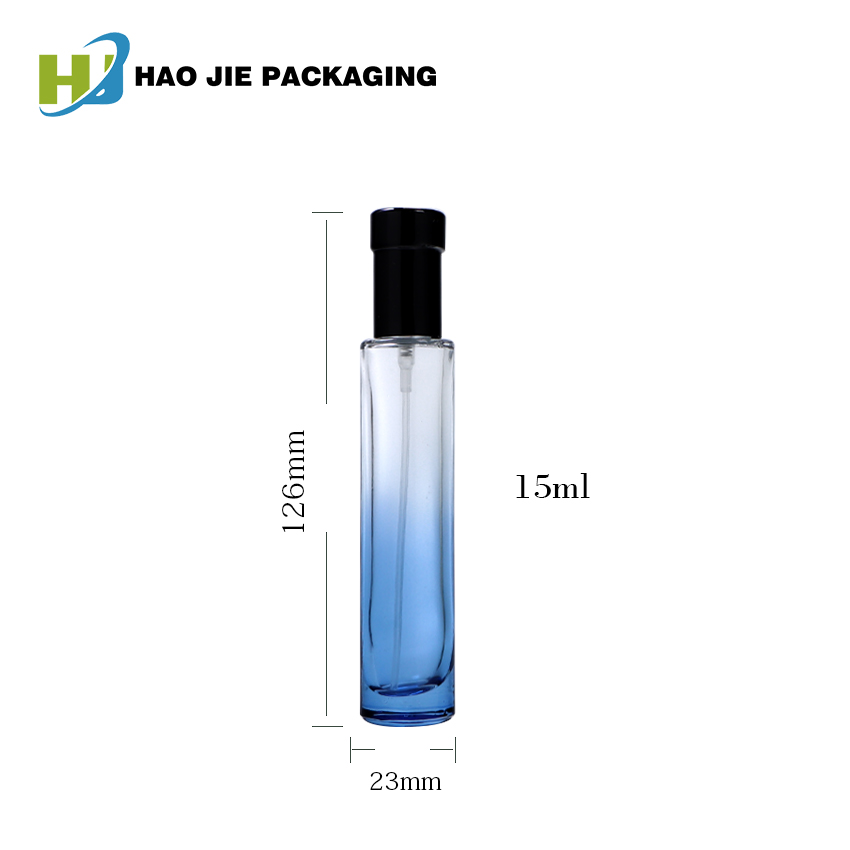
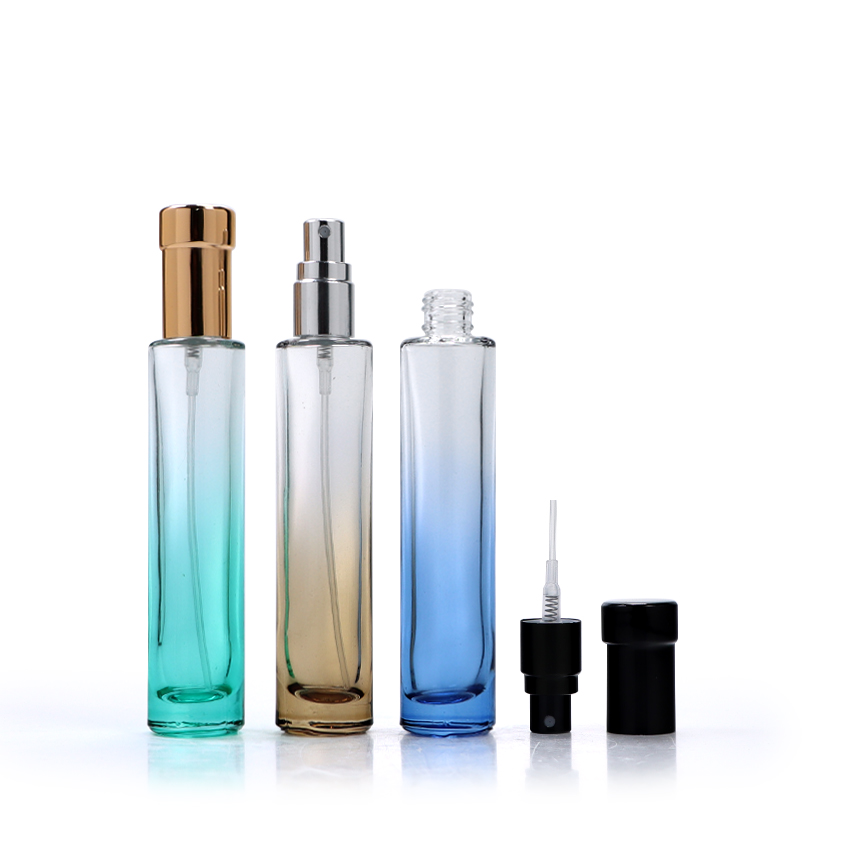
The 15 ml, 20 ml, and 30 ml glass perfume bottles are marketed heavily as travel-friendly options. A 30 ml bottle holds approximately 300–450 sprays, lasting a regular user three to four months. These are common in niche perfumery, where brands use smaller sizes to make expensive formulations more accessible. Many consumers buy 30 ml bottles first to test a fragrance before committing to a larger volume.
The Market Standard
50 ml is the single most common perfume bottle size in the global market. It accounts for a significant portion of mid-range and designer fragrance sales. A 50 ml glass perfume bottle typically delivers 500–750 sprays and lasts the average wearer six to twelve months with daily use. The 50 ml format balances value, portability, and presentation — it fits comfortably in most vanity displays while remaining light enough for travel bags.
Full-Size Consumer Bottles
The 75 ml and 100 ml glass perfume bottles represent the standard full-size offering for most designer and mass-market fragrances. A 100 ml bottle contains approximately 1,000–1,500 sprays — a year or more of use for most consumers. These sizes are also the most cost-efficient on a per-ml basis, which is why value-conscious buyers often prefer them. Bottles at this size tend to be heavier, with thicker walls and more elaborate caps, contributing to the premium feel brands aim for.
Large Format & Collector Editions
Large-format glass perfume bottles at 125 ml, 150 ml, or 200 ml are typically reserved for signature fragrances, loyal users who want bulk value, or collector display purposes. Some luxury houses, including Guerlain and Jean Paul Gaultier, release iconic large-format editions that double as decorative objects. These bottles often feature heavier glass construction and decorative stoppers. They are rarely practical for travel but make a statement on a dressing table or shelf.
| Size (ml) | Approx. Sprays | Avg. Duration (Daily Use) | Common Use Case |
|---|---|---|---|
| 5–10 ml | 50–100 | 1–2 weeks | Samples, Gift Sets |
| 15–30 ml | 150–300 | 1–3 months | Travel, Niche Fragrances |
| 50 ml | 500–750 | 6–12 months | Standard Retail (Most Popular) |
| 75–100 ml | 750–1,500 | 12–18 months | Full-Size, Value Purchases |
| 125–200 ml | 1,500–2,500 | 18–36 months | Collectors, Signature Scents |